Buyer’s Guide • 2026
A practical, hype-free breakdown of performance, cameras, AI features, battery
life, security, ecosystem, and total cost—so you can choose confidently.
Updated: 2026 Reading time: ~7 min For: Upgraders, creators, students, parents
Quick Jump 1) Summary 2) Scoreboard 3) Feature-by-Feature 4) AI & On-Device Intelligence 5) Ecosystem & Accessories 6) Cost of Ownership 7) Who Should Pick What? 8) FAQ (2026)
Summary
Choose iPhone if you want best-in-class security, top-tier video, long OS support, and a seamless accessory ecosystem. Choose Android if you value flexibility, customization, diverse hardware choices (foldables, huge batteries), and better value at multiple price tiers.
👍 = strength🤷 = depends
Performance: iPhone 👍 (stable thermals, efficient chips). Flagship Android is very close.
Cameras: iPhone for video & consistency 👍; Android for zoom & experimental features 👍.
AI features: Roughly parity in 2026; iPhone excels on-device privacy, Android excels at breadth.
Battery & charging: Android often charges faster 👍; iPhone battery health & USB-C accessories 👍.
Longevity & updates: iPhone typically longer guaranteed major updates 👍; some Android brands catching up.
Messaging & cross-platform: Both have modern rich messaging; iPhone best inside Apple bubble, Android flexible across services.
Scoreboard (Out of 10)
These are generalized 2026 buyer-guide heuristics; individual models vary. Use as a quick orientation, then check specific devices.
iPhone
Performance
Camera (video/photo balance)
Longevity & Updates
Ecosystem & Accessories
Value Across Price Tiers
Android (flagship tier)
Performance
Camera (photo/zoom/AI)
Longevity & Updates
Ecosystem & Accessories
Value Across Price Tiers
Feature-by-Feature Comparison
Category
iPhone (2026)
Android (2026)
Chip & Performance
Industry-leading single-core; efficient under sustained loads 👍
Flagships rival in multi-core/GPU; wider variability by brand 👍
Camera
Class-leading video, natural color, reliable HDR; consistent results
Cutting-edge zoom, night modes, creative AI edits; more experimental features
AI & On-Device
Strong on-device privacy, text/image tools baked into OS/apps
Broader AI feature set across brands/services; fast iteration
Battery & Charging
Excellent efficiency, steady health; standardized USB-C accessories
Often faster wired charging; big-battery options and power-user modes
Displays
Bright, color-accurate, durable glass options
Wider variety (foldables, extra-large, ultra-high refresh)
Security & Privacy
Tight hardware/OS integration, rapid patches, strong app vetting 👍
Improved sandboxing and update pipelines; varies by vendor 🤷
Updates & Longevity
Long, predictable major OS support windows 👍
Many brands now promise 4–7 years; check model specifics
Messaging
Best with other Apple devices; modern rich features with compatible standards
Rich cross-platform features; broad third-party app choice
Value
Resale value remains high; premium pricing
Excellent options from budget to ultra-premium 👍
Tip: Evaluate the specific model you’re eyeing; Android spans many makers and philosophies.
AI & On-Device Intelligence in 2026
Both platforms integrate generative/assistive AI for writing help, image tools, summarization, voice control, and smarter camera processing. iPhone leans on private, on-device workflows for sensitive tasks. Android’s breadth means faster, more experimental features—great for power users.
Examples you’ll actually use
One-tap video highlight reels, portrait retouch, clean background removal
Transcribe & summarize long voice notes or meetings
Contextual assistant: “Find the PDF John texted last week and draft a reply”
Ecosystem & Accessories
iPhone: tight accessory standards, vast case/charger ecosystem, continuity with Macs/iPads/watch. Android: wider hardware forms (foldables, pens), robust accessory market, stronger desktop-mode options on some brands.
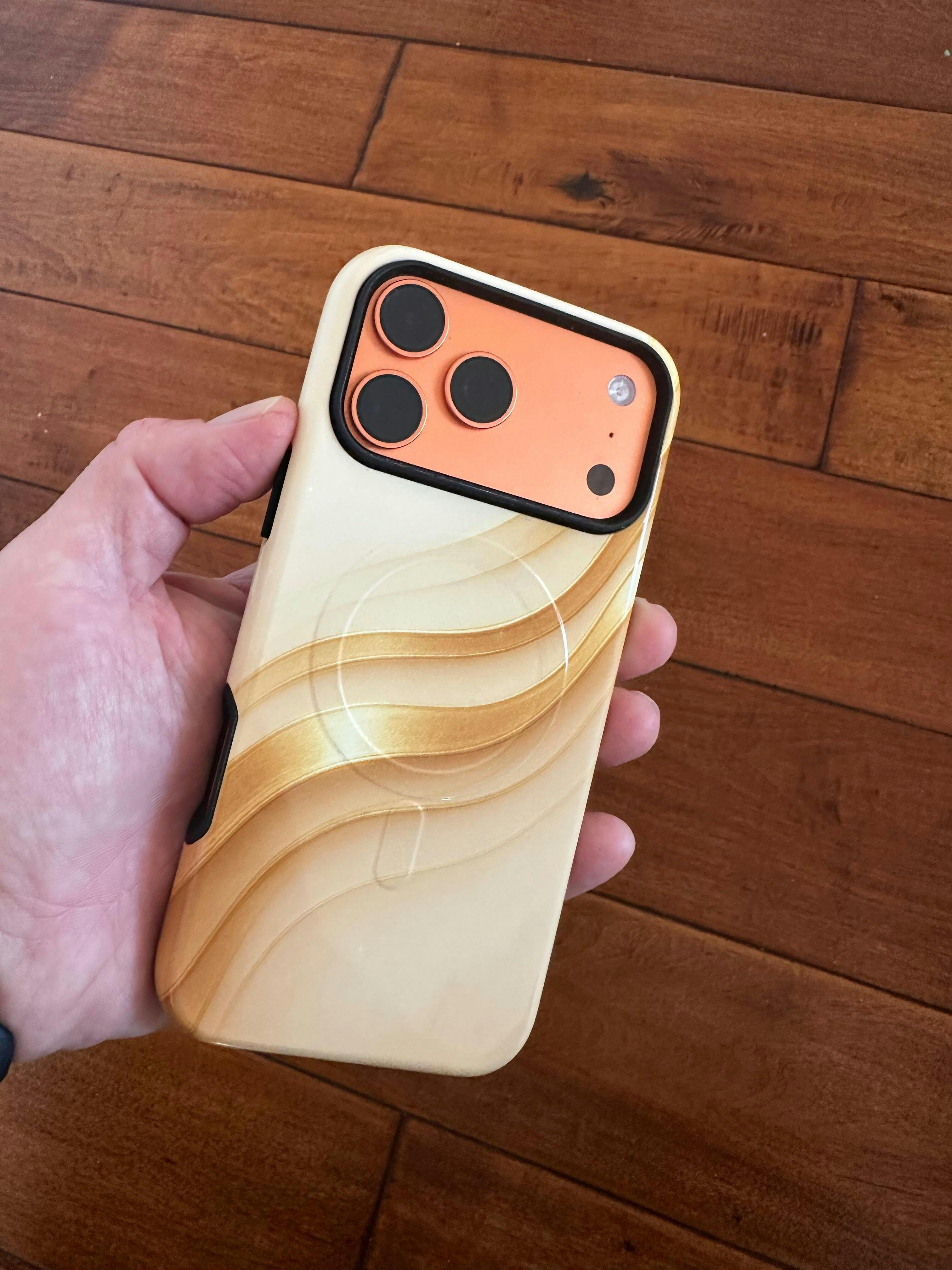
Cases & Protection (Quick Guide)
Look for certified drop protection and anti-yellowing TPU for clear cases.
USB-C alignment and magnet layouts matter for chargers/wallets/car mounts.
For cameras with big rings or periscope lenses, choose raised-edge protection.
Total Cost of Ownership (TCO)
Purchase price: Android spans budget to ultra-premium; iPhone leans premium.
Resale value: iPhone typically higher, narrowing the long-term gap.
Accessories & repairs: factor MagSafe/USB-C, screen and battery replacements.
Longevity: More years of major updates = more value per dollar.
Who Should Choose What?
Pick iPhone if you’re…
A creator who prioritizes reliable video and color consistency
Deep in the Apple ecosystem (Mac, iPad, Watch, AirPods)
Planning to keep your phone 4–6+ years
Prefer privacy-first, on-device AI for sensitive tasks
Pick Android if you’re…
Craving customization, unique hardware (foldables), or big batteries
Value-focused, comparing multiple price tiers
Camera curious (long zoom, experimental night/AI tools)
Using desktop-mode or pen input for productivity
FAQ (2026)
Which has the best camera overall?
For video and reliable, natural results: iPhone. For zoom, low-light experiments, and creative AI tools: many Android flagships shine.
Which lasts longer with updates?
iPhone has long, predictable major-update windows. Top Android brands now offer extended support—check the specific model’s policy.
Which charges faster?
Many Android phones support faster wired charging. iPhone emphasizes battery health and accessory compatibility.
Protect Your New Phone
Whether you go iPhone or Android, pair it with a slim, grippy, anti-yellowing case and a reliable charger. It’s the fastest win for day-one protection.
Shop Accessories
Disclosure: Product availability, features, and policies can vary by model and region in 2026. Always confirm the exact specs and support window for the specific phone you’re buying.